
The sight of multiple colored wires in your Cat5 cable can overwhelm anyone unfamiliar with the cat5 color code system. Companies that use standardized color coding see a 25% drop in downtime because they resolve problems faster.
We’ve all faced that moment of confusion while looking at ethernet cable colors. The ethernet cable color code serves as your network system’s foundation. No globally accepted standard exists for cat5 cable color code. Understanding the cat5 pinout and cat5 wiring color code is a vital part of correct ethernet cable wiring that ensures efficient data transmission. Network problems can range from spotty connections to complete system failures when these standards aren’t followed.
This piece will simplify network cable color coding, explain its value, and help you avoid mistakes that could hurt your network’s performance.
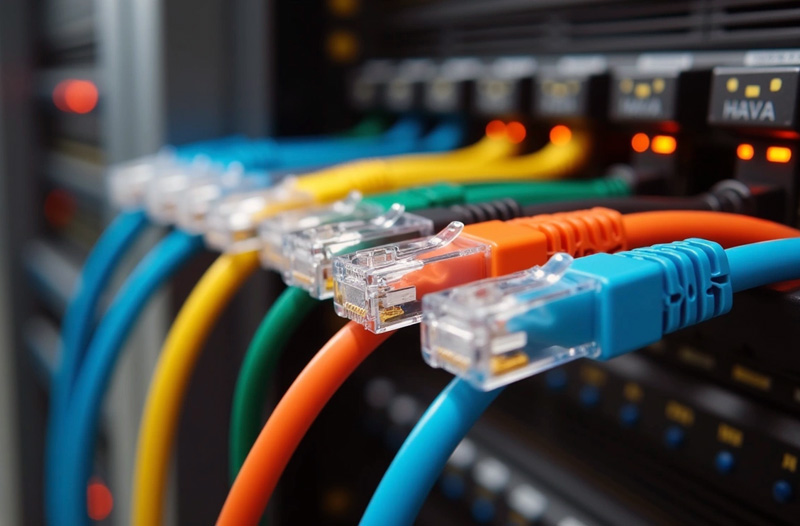
Why Ethernet Cable Color Coding Matters
Color-coded Ethernet cables do more than look good—they are a vital tool for network management. Companies using standard color coding see a 25% drop in downtime. Network professionals must know cat5 color codes to succeed.
Cat5 cable color codes help speed up fixes and maintenance. Technicians can spot specific cables quickly at the time there’s trouble with gaming setups or enterprise networks. This prevents small issues from becoming major problems. Quick identification becomes even more valuable with complex network segments that have many connections.
On top of that, it will give a way to avoid miswiring errors that can get pricey. Technicians work much faster once they know each cable color’s purpose. The cable’s jacket color won’t change how well it works – signals travel the same whatever the color. Yet color coding offers three key benefits:
- Installation clarity – reduces confusion during setup
- Troubleshooting efficiency – finds network issues faster
- Documentation consistency – matches logical network diagrams
These color code systems make cat5 wiring look neat and clean, especially when you have modern offices where cables stay visible. A proper color standard also means anyone can understand the network’s layout. This makes future growth and changes much smoother.
Common Cat5 Cable Colors and Their Uses
The CAT5 color code system uses different colors to help organize networks effectively. Network technicians can quickly spot cable functions just by looking at the colors.
Blue Ethernet cables connect standard network hardware like switches and routers in data centers. These cables form the foundation of your network infrastructure.
Gray cables handle the everyday connections in homes and offices. These reliable cables connect workstations and peripheral devices while staying visually unobtrusive.
Yellow cables mark Power over Ethernet (PoE) connections. The IEEE 802.3af standard suggests yellow for PoE cables that technicians can spot these dual-purpose cables carrying both data and power.
Green cables mark crossover connections that link devices directly without a switch. These cables are nowhere near as common in modern networks but remain useful for legacy systems.
Red cables mark emergency systems like VoIP phones and alarm connections. Server rooms rely on red cables for backup systems that must keep running during outages.
Black cables provide a subtle option when equipment connections need to look good. White cables work best in healthcare settings because they look clean and stand out easily.
Orange cables support non-Ethernet analog connections and help bridge old technology with new systems.
The CAT5 wiring color code system helps network administrators identify cable purposes quickly and makes maintenance and troubleshooting easier.
Understanding Internal vs External Color Codes
A cat5 color code system has two main parts: the colors inside the cable and the jacket colors outside. As I wrote in my previous post about external colors, internal color codes must follow strict industry standards that affect network performance.
Every Ethernet cable contains four twisted pairs of wires. Each pair has specific color combinations. The blue/blue-white pair serves as the primary signal path. Orange/orange-white handles data transfer, while green/green-white provides additional signal paths. The brown/brown-white pair takes care of termination and auxiliary functions. These twisted pairs work together to reduce interference and ensure your network’s signals transmit properly.
The industry uses two internal wiring standards: T568A and T568B. These standards are similar in function but differ in how they position the green and orange pairs. T568A is the top choice for homes and government work. T568B, on the other hand, rules the commercial world.
The jacket’s color tells a different story. It shows the cable’s purpose in your network setup. To name just one example, black jackets often mean the cable can withstand outdoor conditions, while yellow usually points to Power over Ethernet connections.
The ethernet cable’s color code system works on two levels. Internal colors ensure technical performance, while external colors help with quick identification and organization.
Conclusion
Becoming skilled at the CAT5 color code system makes a substantial difference in network management efficiency. This piece shows how proper color coding cuts downtime by 25% and speeds up troubleshooting processes. Learning both internal and external color codes isn’t just about looks—it directly affects your network’s reliability and maintenance.
The ability to spot what each colored cable represents helps teams work faster. Blue cables connect infrastructure, yellow ones link PoE devices, and red cables support emergency systems. Anyone can identify specific cable functions without extensive documentation. This knowledge becomes invaluable during urgent situations when time matters most.
The difference between T568A and T568B wiring standards helps ensure your connections work right from the start. These standards serve similar functions in modern networks. Your choice between residential or commercial settings determines which standard to apply, preventing compatibility issues down the line.
A well-managed cable system creates functional and visually appealing network setups. You’ll spot cable purposes at a glance rather than feeling lost when facing tangled wires. Proper color coding reshapes the scene from chaos into a logical, easy-to-navigate system that helps everyone working with your network.
FAQs
Q1. What is the standard color code for Cat5 cables? Cat5 cables typically follow either the T568A or T568B standard. The T568A order is green, green/white, orange, blue, blue/white, orange/white, brown, and brown/white. T568B swaps the positions of the orange and green pairs.
Q2. Does it matter if I use T568A or T568B wiring standard? Both T568A and T568B standards perform identically in modern networks. The key is to use the same standard at both ends of your cable. T568A is often preferred for residential installations, while T568B is more common in commercial settings.
Q3. What do the different external cable colors signify? External cable colors help identify the cable’s role in the network. For example, blue cables are often used for general networking, yellow for Power over Ethernet (PoE), red for emergency systems, and white for clean environments like healthcare facilities.
Q4. How does color coding impact network management? Proper color coding can reduce network downtime by up to 25% by speeding up troubleshooting and maintenance processes. It allows for quick identification of cable functions, improving overall network organization and efficiency.
Q5. Can I mix T568A and T568B standards in my network? While it’s technically possible to mix T568A and T568B cables in a network without affecting performance, it’s not recommended. Using a consistent standard throughout your network helps avoid confusion during troubleshooting and maintenance.
CAT5 Color Codes | Blog Article | Econo-Tech Solutions | All Rights Reserved |Network Cabling Company | Long Island, NY